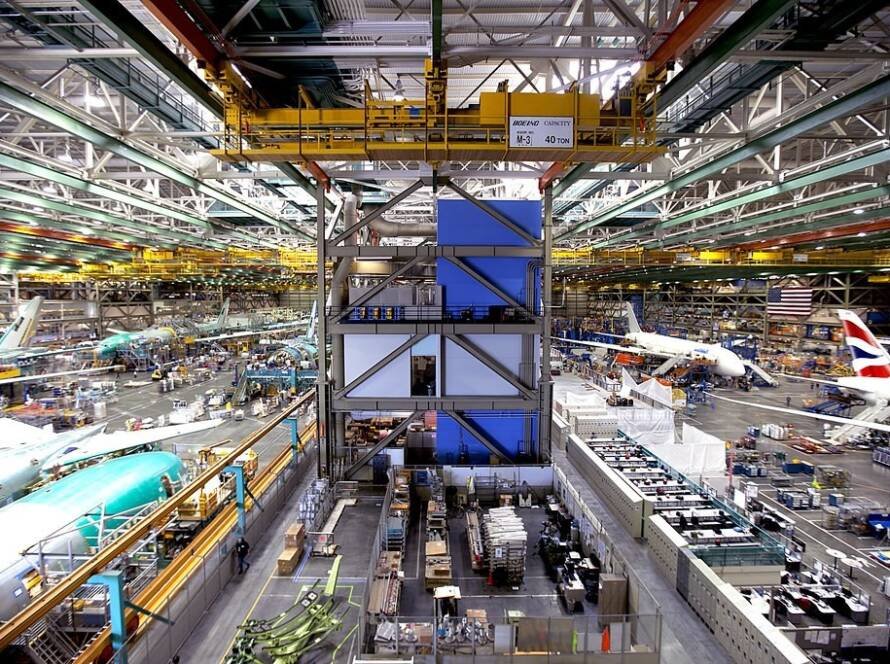
Aircraft Maintenance, Repair, and Overhaul (MRO) is at the heart of aviation safety and operational efficiency. With air travel growing steadily and aircraft becoming increasingly sophisticated, the MRO sector is evolving rapidly. Traditional maintenance methods are being transformed by advanced technologies, predictive analytics, and innovative workflows that reduce downtime, increase reliability, and improve cost efficiency.
In 2025, the future of aircraft maintenance isn’t just about fixing airplanes, it’s about proactive, technology-driven solutions that anticipate problems before they happen. Let’s explore how the industry is changing and what it means for airlines, operators, and aerospace service providers.
Technological Innovations Driving MRO
- Predictive Maintenance
Gone are the days of fixed schedules for maintenance. Predictive maintenance leverages sensors, IoT devices, and AI to analyze data from aircraft systems in real-time. By predicting potential component failures before they occur, airlines can reduce unscheduled downtime, avoid costly repairs, and keep flights on schedule. - Augmented Reality (AR) and Virtual Reality (VR)
AR and VR are revolutionizing aircraft maintenance training and operations. Technicians can wear AR glasses to access step-by-step repair instructions or overlay schematics directly onto aircraft components. This reduces errors, speeds up maintenance, and enhances hands-on learning. - Drones for Inspection
Drones are increasingly used to inspect hard-to-reach areas like aircraft fuselages, wings, and engines. Equipped with high-resolution cameras and sensors, drones can identify cracks, corrosion, or other issues safely and efficiently, cutting inspection times significantly. - Digital Platforms & Automation
Cloud-based maintenance platforms allow real-time collaboration between airlines, MRO providers, and parts suppliers. Automation in parts inventory management and repair tracking ensures that technicians have the right tools and components when needed, reducing bottlenecks.
Sustainability in Aircraft Maintenance
Environmental responsibility is shaping MRO practices. Airlines and service providers are moving toward eco-friendly maintenance processes, including:
- Recycling components and materials
- Using environmentally friendly chemicals and lubricants
- Reducing waste in repair and overhaul procedures
Sustainable MRO not only meets regulatory requirements but also strengthens brand image and reduces operational costs in the long term.
Regulatory and Compliance Considerations
Compliance is non-negotiable in aerospace. MRO providers must adhere to strict global and regional aviation regulations. Certification processes, documentation, and audits are integral to operations. While these requirements add complexity, they also ensure safety, reliability, and customer trust.
Technological advancements are helping streamline compliance by providing digital records, automated reporting, and real-time monitoring of repair procedures.
Market Trends Shaping MRO in 2025
- Increased Demand for UAV Maintenance
The rise of drones in commercial and defense applications is driving demand for specialized UAV maintenance services. - Shift Toward Electrification
With electric and hybrid aircraft emerging, MRO services are adapting to new powertrain technologies and battery systems. - Globalization and Outsourcing
Airlines are outsourcing MRO services to specialized providers worldwide, increasing efficiency and access to expertise. - Integration with Supply Chains
Efficient MRO relies on seamless integration with aerospace supply chains, ensuring timely delivery of parts and components.
The Human Factor: Skilled Technicians Remain Essential
Despite automation and AI, skilled human technicians remain at the core of MRO. Training, upskilling, and embracing technology are critical to maintaining a competent workforce capable of handling complex aircraft systems safely.
AR training modules, simulation tools, and remote guidance are helping technicians perform more effectively while reducing errors.
Conclusion
The future of aircraft maintenance and repair is data-driven, proactive, and sustainable. Airlines and MRO providers that embrace predictive maintenance, AR/VR, drones, and digital platforms will enjoy higher efficiency, reduced costs, and improved safety.
Aircraft maintenance is no longer just reactive, it’s strategic. The combination of technology, sustainability, and skilled technicians ensures that aviation operations remain reliable, safe, and prepared for future challenges.
FAQs
1. What is predictive maintenance in aviation?
Predictive maintenance uses real-time data and AI to anticipate component failures before they occur, reducing downtime.
2. How are drones used in aircraft inspections?
Drones inspect hard-to-reach aircraft areas, identifying cracks, corrosion, or other issues efficiently and safely.
3. Why is sustainability important in MRO?
Eco-friendly processes reduce waste, comply with regulations, and lower long-term operational costs.
4. Are AR and VR replacing technicians?
No, AR/VR enhances technician efficiency and accuracy but skilled human expertise remains essential.
5. How is electrification affecting aircraft maintenance?
New electric and hybrid systems require specialized maintenance knowledge for batteries, motors, and power electronics.congue euismod. Nullam scelerisque massa vel augue placerat, a tempor sem egestas. Curabitur placerat finibus lacus.